Best Chondromalacia Patella Treatment in Ghaziabad
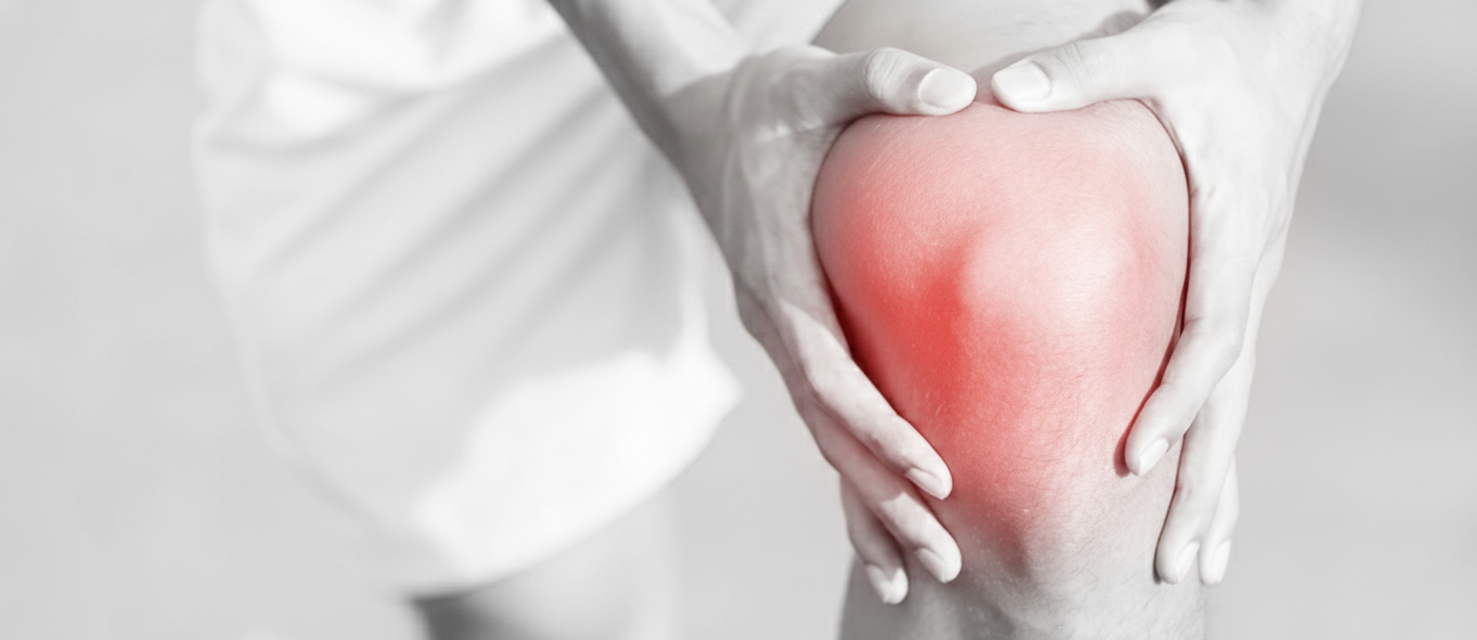
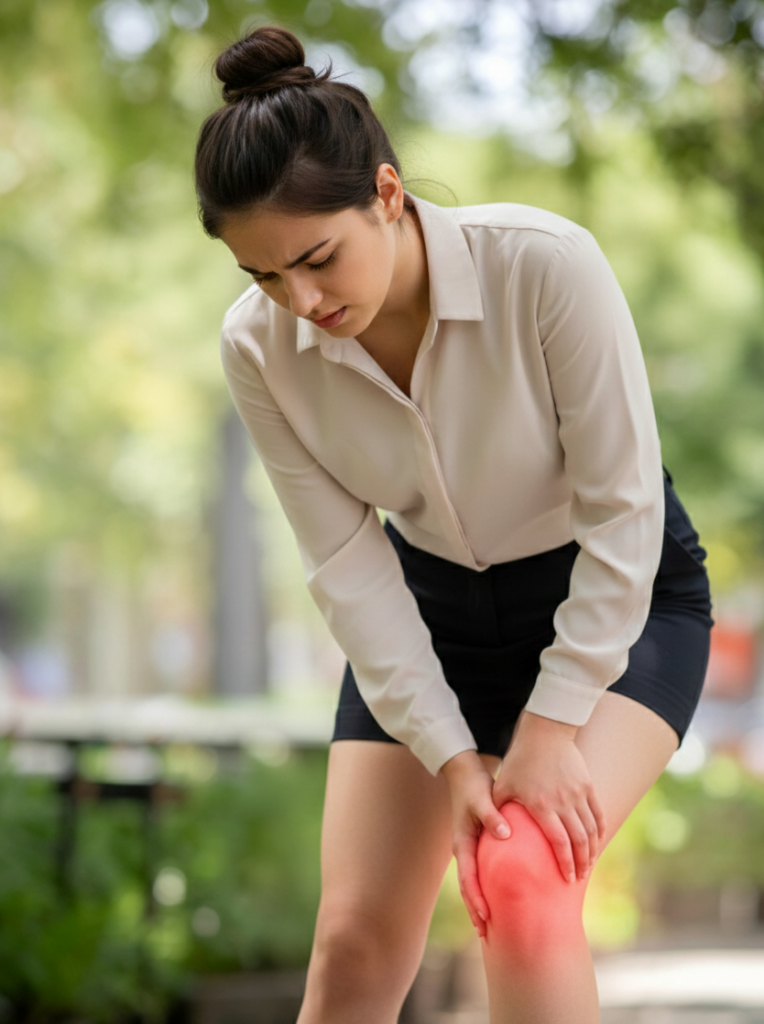
Chondromalacia Patella Treatment in Ghaziabad is essential for people suffering from knee pain, stiffness, and difficulty while walking or climbing stairs. Chondromalacia patella, also known as runner’s knee, is a common condition caused by cartilage softening beneath the kneecap. With timely non-surgical care, knee pain can be reduced and mobility restored effectively..
Chondromalacia patella, commonly known as Runner’s Knee, is a condition in which the cartilage beneath the kneecap weakens and wears down. This causes pain, stiffness, and difficulty walking or climbing stairs. This condition is often found in athletes, highly active individuals, and those with knee misalignment or muscle imbalances. At Spine Chiropractic & Osteopathic Clinic in Ghaziabad, we offer advanced, non-surgical, and evidence-based treatments for Chondromalacia Patella, aimed at reducing pain, improving knee function, and preventing further damage.
Chondromalacia patella can develop due to repetitive stress on the knee, muscle weakness, poor body mechanics, or a previous injury. If left untreated, it can lead to persistent knee pain, reduced mobility, and gradual joint deterioration. Seeking timely treatment can prevent complications and maintain long-term knee health.
Our treatment approach focuses not just on providing temporary relief, but on addressing the root cause of the problem. It includes chiropractic care, physiotherapy, manual therapy, and muscle-strengthening exercises. By restoring proper knee alignment, improving muscle balance, and enhancing joint stability, we accelerate recovery and prevent future pain. We also emphasize necessary adjustments to daily activities and movement habits to ensure long-term knee health.
If you have been experiencing knee pain or difficulty walking for a long time, our specialists will create a customized treatment plan tailored to your condition. The goal is to improve your mobility and help you return to a pain-free life.
visit our home page
Common Causes of Chondromalacia Patella
Overuse and Repetitive Stress
Activities that involve continuous or repetitive stress, such as running, jumping, or repeatedly sitting and standing, put extra pressure on the kneecap. This gradually damages the cartilage and leads to inflammation and pain.
Muscle Imbalances
When the quadriceps, hamstrings, or hip muscles become weak, they are unable to provide proper support to the knee. This leads to uneven pressure on the patella, increasing pain and the risk of cartilage wear and tear.
Improper Knee Alignment
Flat feet, knock knees, or an incorrect walking pattern can lead to improper knee alignment. This puts excessive and constant pressure on the kneecap cartilage, which can worsen over time and contribute to the development of Chondromalacia Patella.
Past Knee Trauma
Previous knee injuries, such as fractures or ligament tears, can weaken the joint. This makes the patellar cartilage more vulnerable and increases the risk of it softening and deteriorating over time.
Signs of Chondromalacia Patella: Know When to Consult a Specialist
Mild knee pain that occurs occasionally is normal, but if the discomfort persists, it could be a sign of an underlying problem. When the pain starts interfering with your daily activities or worsens over time, seeking timely treatment becomes crucial.
Common Symptoms of Chondromalacia Patella
Knee pain that worsens with movement, especially when climbing or descending stairs, standing up from a seated position, or after sitting for extended periods.
A persistent, dull, or aching pain around or behind the kneecap.
A feeling of stiffness or swelling in the knee joint.
A cracking or clicking sound when bending or straightening the knee.
When Knee Symptoms Need Immediate Care
Severe knee pain that doesn’t subside even after resting
Significant swelling or redness around the knee
Difficulty walking properly or bearing weight
The knee feeling loose or giving way unexpectedly
visit our Facebook
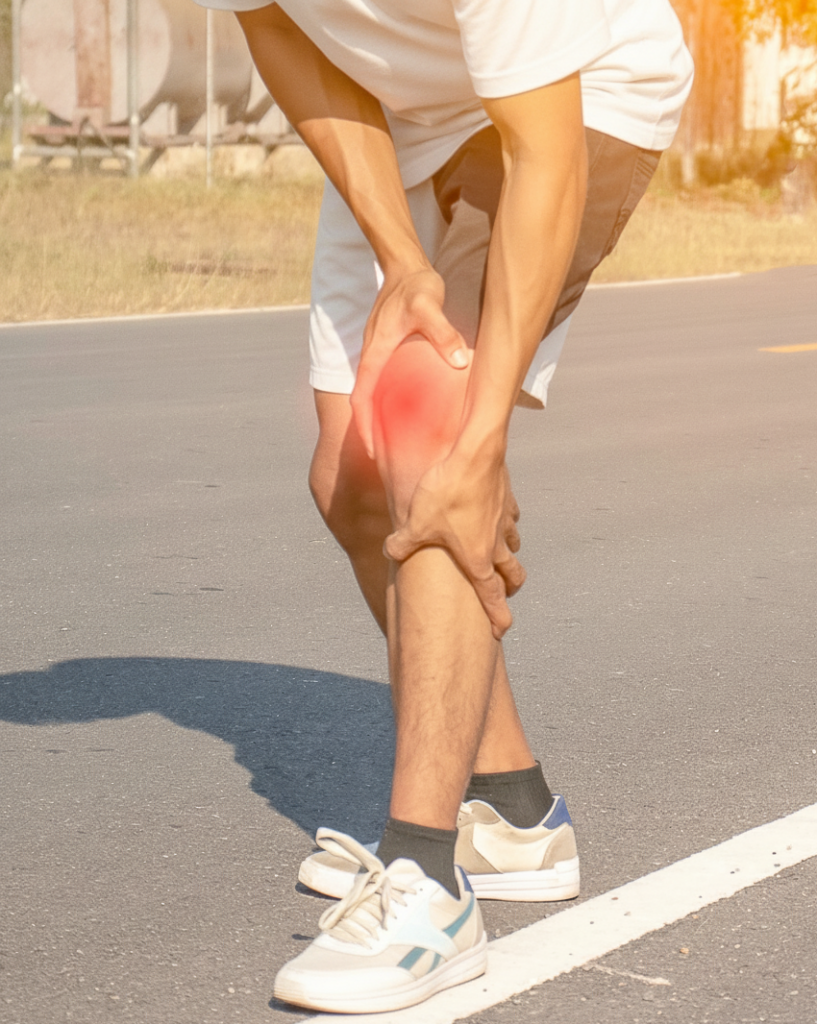
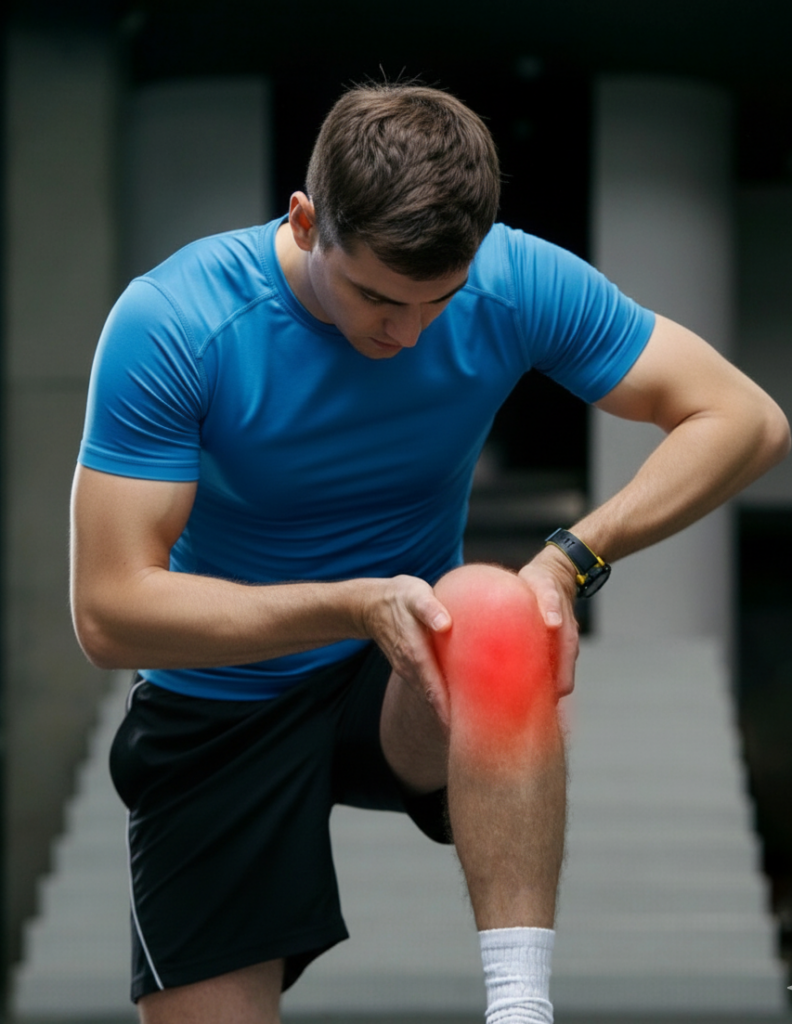
Effective Chondromalacia Patella Treatment at Spine Chiropractic & Osteopathic Clinic in
Choosing the right treatment plays a key role in lasting knee pain relief and joint safety. At Spine Chiropractic & Osteopathic Clinic, we focus on evidence-based, non-surgical therapies that support natural healing, improve knee function, and help protect the joint from further damage over time.
Our Chondromalacia Patella Treatment Methods
Chiropractic Care – Improves knee alignment, reducing unnecessary pressure on the patella.
Physiotherapy & Muscle Training – Strengthens the quadriceps, hamstrings, and hip muscles to increase knee stability.
Manual Therapy & Soft Tissue Work – Reduces muscle stiffness and inflammation, accelerating the healing process.
Knee Support & Posture Correction – Provides proper support to the joint and corrects biomechanical problems responsible for pain.
Non-Medication Pain Relief Methods – Controls pain and inflammation using drug-free techniques such as ice therapy, ultrasound, and TENS.
Our experts create customized rehabilitation plans tailored to your specific condition, ensuring a safe and effective recovery. Book a consultation today and take your first step towards a pain-free, active life.
visit our YouTube
Tips to Reduce the Risk of Chondromalacia Patella
Proper body movement, balanced muscles, and joint care are crucial for preventing knee pain and cartilage damage. The expert tips below will help you keep your knees strong and pain-free.
Strengthen Your Leg Muscles
Perform exercises that strengthen the quadriceps, hamstrings, and hip muscles to provide proper support to the knee and reduce unnecessary pressure on the joint.
Limit High-Impact Movements
Avoid frequent running, jumping, or deep squats if you have knee pain.
Correct Posture & Walking Pattern
Pay attention to your body alignment while walking, running, or exercising to avoid putting extra pressure on your knees.
Use Proper Footwear
Incorrect footwear or flat feet can increase stress on the knees, so wear shoes with arch support if needed.
visit our Google Map.
Frequently Asked Questions
What is Chondromalacia Patella
It's a knee problem where the cartilage under the patella (kneecap) softens or wears away.
This causes knee pain and discomfort while walking or moving.
The pain often worsens when climbing or descending stairs.
What are the main symptoms of this problem
Pain in the front of the knee, discomfort when bending the knee.
Difficulty sitting down or standing up from the ground.
Sometimes a clicking or grinding sensation is felt in the knee.
What are the causes of Chondromalacia Patella
Wrong posture, muscle imbalance, and overuse are the main reasons.
Running, jumping, or excessive squats put stress on the cartilage.
Flat feet or knee alignment issues can also be a cause.
Can it be cured without surgery
Yes, in most cases, surgery is not necessary.
Physiotherapy, chiropractic care, and strengthening exercises provide relief.
Recovery is faster in the early stages.
How to prevent this problem
Do knee strengthening and stretching exercises regularly.
Reduce high-impact activities and wear appropriate footwear.
Improving posture and walking pattern is very important.