



What is Plantar Fasciitis
Plantar fasciitis is one of the most common causes of heel pain. It occurs when the plantar fascia, a thick band of tissue connecting the heel bone to the toes, becomes inflamed due to excessive stress or repetitive strain. This condition often causes sharp heel pain, especially during the first steps in the morning or after long periods of standing.
At Spine Chiropractic Osteopathic Clinic, we provide non-surgical plantar fasciitis treatment in Ghaziabad using Chiropractic Care, Osteopathy, Physiotherapy, Manual Therapy, Shockwave Therapy, Soft Tissue Release, and customized rehabilitation exercises to relieve pain and restore normal foot function.
visit our youtube
What Causes Plantar Fasciitis?
Overuse and Repetitive Activities
Long hours of standing, walking, running, or exercising place repeated stress on the plantar fascia, causing small tears and inflammation.
Poor Footwear
“Wearing flat shoes, worn-out footwear, or shoes without proper arch support increases strain on your heel, causing pain, inflammation, and discomfort.”
Tight Calf Muscles
Limited flexibility in the calf muscles and Achilles tendon increases tension on the plantar fascia, causing heel pain during daily activities.
Foot Structure Problems
Flat feet, high arches, poor posture, improper walking, and weak foot muscles increase the risk of plantar fasciitis.
Common Symptoms of Plantar Fasciitis
Heel Pain in the Morning
Sharp pain while taking the first few steps after waking up.
Pain After Walking or Standing
Heel pain increases after prolonged walking, standing, or physical activity.
Stiffness in the Foot
Difficulty moving the foot after rest.
Tenderness Around the Heel
Pain when pressing the bottom of the heel.
Burning or Aching Pain
Persistent discomfort throughout the day if left untreated. visit our home page
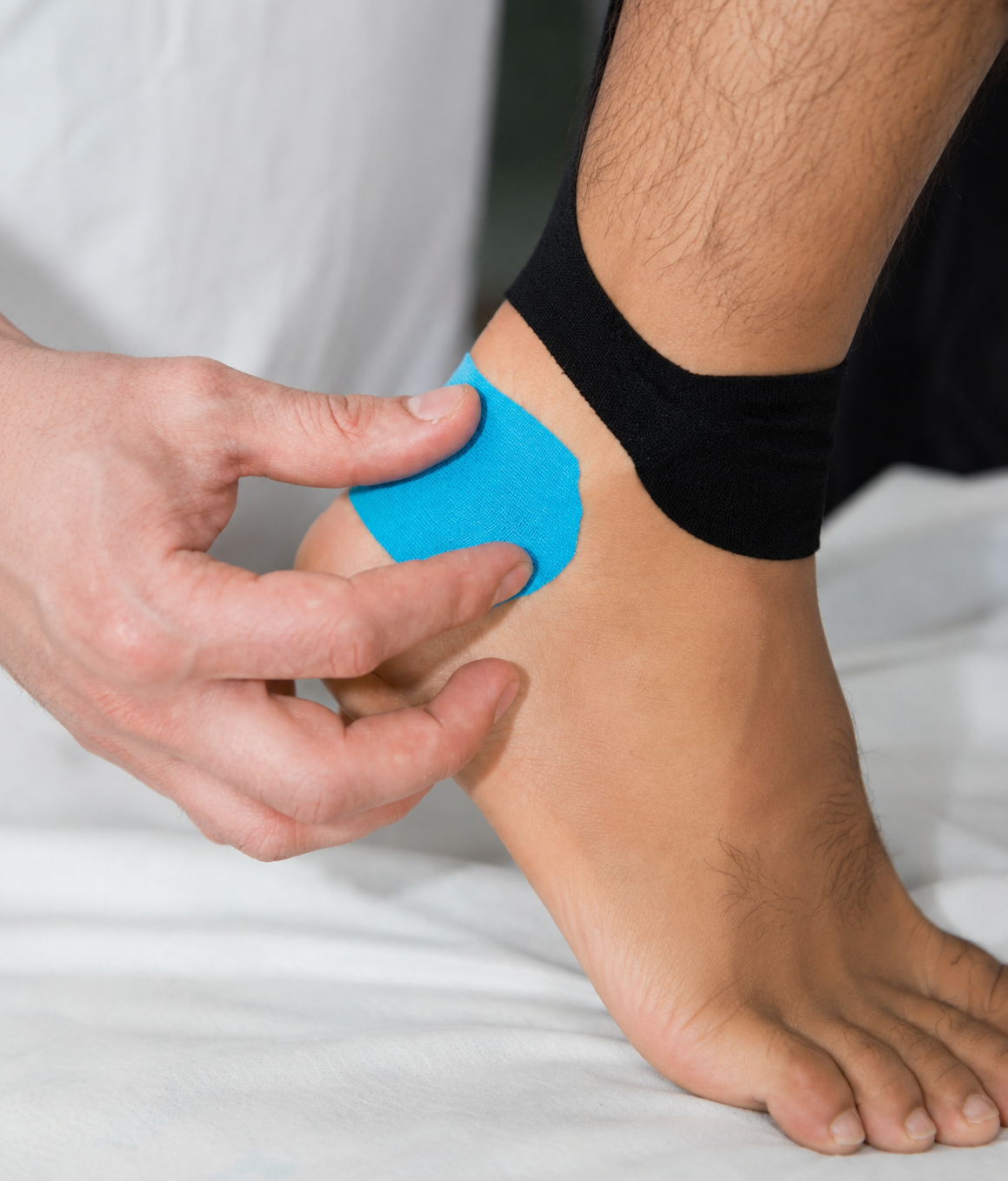
Non-Surgical Treatment for Plantar Fasciitis
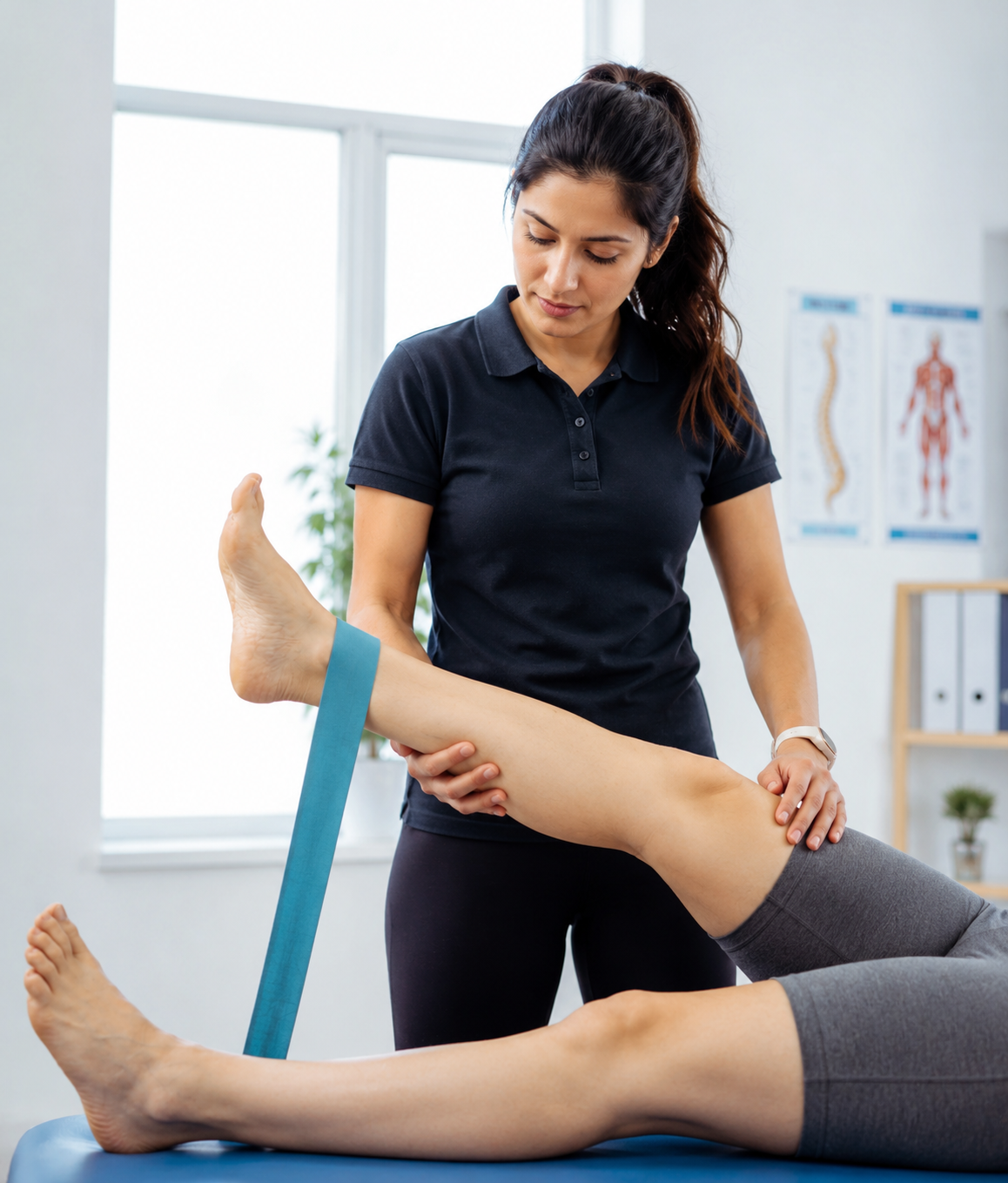
Chiropractic Care
Gentle foot and ankle adjustments improve joint mobility, reduce pressure on the plantar fascia, and restore proper alignment.
Osteopathic Treatment
Hands-on osteopathic techniques improve muscle balance, blood circulation, and natural healing.
Physiotherapy
Customized stretching and strengthening exercises improve flexibility and reduce stress on the heel.
Shockwave Therapy
Shockwave Therapy stimulates tissue repair, improves circulation, reduces inflammation, and speeds recovery.
Manual Therapy
Soft tissue release and myofascial techniques reduce muscle tightness and improve mobility.
Rehabilitation Exercises
Personalized rehabilitation programs strengthen the foot arch, calf muscles, and ankle to prevent recurrence.
Why Choosc?e Spine Chiropractic Osteopathic Clini
Experienced Physiotherapist & Chiropractic Practitioner Drug-Free & Non-Surgical Treatment Advanced Manual Therapy Techniques Personalized Exercise Program Shockwave Therapy Available Modern Rehabilitation Equipment Affordable Treatment Plans Patient-Centered Care
Exercises to Prevent Plantar Fasciitis
Calf Stretch
Improves flexibility and reduces tension on the plantar fascia.
Plantar Fascia Stretch
Relieves tightness in the sole of the foot.
Toe Curl Exercise
Strengthens foot muscles.
Heel Raises
Improves calf strength and arch support.
Towel Stretch
Increases flexibility and reduces morning stiffness.

Frequently Asked Questions
What is plantar fasciitis?
Plantar fasciitis is a common condition that causes pain and inflammation in the plantar fascia, the thick tissue connecting the heel to the toes.
What are the symptoms of plantar fasciitis?
Common symptoms include heel pain, especially during the first steps in the morning, foot stiffness, and pain after standing or walking for long periods.
What causes plantar fasciitis?
It can be caused by overuse, flat feet, high arches, obesity, prolonged standing, poor footwear, or tight calf muscles.
Can plantar fasciitis be treated without surgery?
Yes. Most cases improve with chiropractic care, physiotherapy, osteopathy, stretching exercises, manual therapy, shockwave therapy, and supportive footwear.
How long does it take to recover from plantar fasciitis?
Recovery varies depending on the severity. With proper treatment and regular exercises, many patients experience significant improvement within 6–12 weeks.