Best TMJ Pain Treatment in Ghaziabad

TMJ (temporomandibular joint) pain can make everyday tasks difficult. When the jaw is affected, even chewing, talking, or yawning can become painful. This problem is often caused by improper jaw alignment, teeth grinding, excessive stress, muscle tension, or an injury.
Symptoms of TMJ disorder include jaw stiffness, clicking or popping sounds when opening and closing the mouth, and difficulty opening the mouth fully. It can also be accompanied by headaches, facial pain, ear discomfort, and neck stiffness, making even simple daily activities challenging.
There can be several reasons for TMJ problems. Poor posture, prolonged clenching of the jaw, arthritis, or dental problems are common causes. The pain can range from mild to severe, sometimes interfering with daily activities. If left untreated, it can lead to joint inflammation, further tightening of the jaw muscles, and a gradual decrease in the ability to open and close the mouth.
At Spine Chiropractic Osteopathic Clinic, a holistic and safe approach is used to treat TMJ pain. Treatment involves chiropractic care, physiotherapy, manual therapy, and postural correction. These techniques aim to restore proper jaw alignment, reduce muscle tension, and improve joint mobility. This type of treatment provides long-lasting pain relief without relying on medication and allows patients to perform daily activities with ease.
visit our page
Common Causes of TMJ Pain
Misalignment of the jaw
When the jaw joint is not in its proper position, the pressure on it is uneven. This can cause pain, stiffness, and difficulty opening or closing the mouth.
Teeth Grinding Habit
Many people unknowingly clench or grind their teeth due to stress or sleep-related problems. This puts excessive pressure on the jaw joint and muscles, leading to pain and tension.
Jaw Injury
An injury to the jaw from an accident, fall, or excessive chewing can lead to TMJ problems. This can cause persistent pain and limited jaw movement.
Poor posture and strain on the neck
Constantly slouching or using mobile phones and computers with your head tilted forward disrupts muscle balance. This increases pressure on the neck and jaw and can lead to TMJ pain.
When is TMJ pain treatment necessary?
Occasional mild jaw pain is common, but if the pain persists or gradually worsens, it’s important to seek treatment. Ignoring these symptoms can lead to chronic jaw problems, facial pain, and frequent headaches.
Common Symptoms of TMJ Pain
Pain or pressure in the jaw when chewing or speaking
Clicking, popping, or grinding sounds in the jaw when opening or closing the mouth
Difficulty fully opening or closing the mouth
Frequent headaches, ear pain, or facial discomfort
More serious symptoms that require immediate attention.
Sudden locking of the jaw or difficulty moving it properly
Severe pain that radiates to the neck and shoulders
Unexplained dizziness or a persistent ringing or buzzing sound in the ears
visit our google map

Effective TMJ Pain Treatment at Spine Chiropractic Osteopathic Clinic
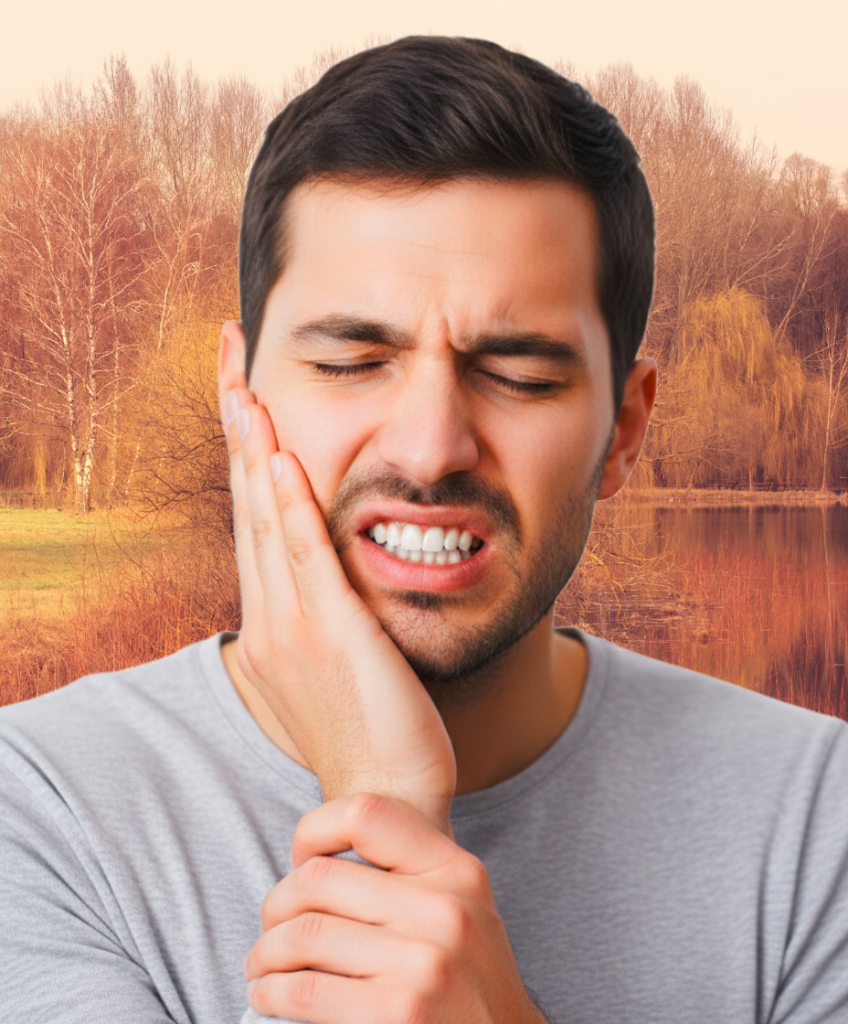
At Spine Chiropractic Osteopathic Clinic, TMJ problems are treated without surgery or medication, using a holistic approach. The main goal of the treatment is to correct the jaw alignment, relax the muscles, and improve body posture, so that the root cause of the pain is eliminated and the patient experiences long-lasting relief.
Our TMJ Treatment Methods
Chiropractic adjustments – Correcting jaw misalignment reduces pressure on the temporomandibular joint (TMJ).
Physiotherapy and manual therapy – Strengthening jaw muscles and improving their range of motion.
Posture correction and neck alignment – Preventing muscle strain caused by poor posture, which can exacerbate TMJ problems.
Stress reduction techniques – Reducing teeth grinding habits caused by anxiety and stress.
Pain management therapies – Providing long-lasting relief through safe, non-medicinal methods.
In Ghaziabad, our TMJ specialists create personalized treatment plans tailored to your specific problem and symptoms, ensuring safe and effective treatment. Book a consultation today and take the first step towards a pain-free life. visit our Facebook
How to prevent TMJ pain – Easy ways to keep your jaw healthy
To prevent TMJ pain, it’s crucial to maintain good posture, manage stress, and avoid habits that put excessive strain on the jaw. Making small changes in your daily life can significantly reduce the risk of developing chronic TMJ problems.
Tips for a Healthy Jaw
Develop the habit of sitting and standing correctly.
Keep your neck straight and avoid slouching, as this reduces strain on the jaw.
• Reduce your consumption of hard or chewy foods.
If you have jaw pain, eat soft foods, as this reduces pressure on the TMJ.
• Reduce stress and keep your jaw relaxed
Gentle jaw exercises, deep breathing, or a light massage can be helpf
• Apply hot and cold compresses.
Applying a hot water bottle or ice can reduce swelling and muscle stiffness.
visit our YouTube

Frequently Asked Questions
What is most important to prevent TMJ pain
Maintaining correct posture is crucial.
Sit up straight and avoid leaning your neck forward.
This prevents unnecessary pressure on the jaw.
Does stress worsen TMJ pain
Yes, people under a lot of stress often clench their teeth unconsciously.
This tightens the jaw muscles.
Relaxation techniques and deep breathing can help.
What foods should be avoided with TMJ pain
Avoid very hard or chewy foods.
Such as chewing gum or hard candies.
Soft foods give the jaw a rest.
What are the benefits of hot or cold compresses
Hot compresses relax the muscles.
Cold compresses reduce swelling and pain.
Both provide relief from TMJ pain.
When should you see a doctor for TMJ pain
When the pain is persistent or worsening.
If you experience difficulty opening your mouth or hear clicking sounds.
Early treatment prevents the problem from escalating.