Best Spinal Stenosis Treatment in Sahibabad
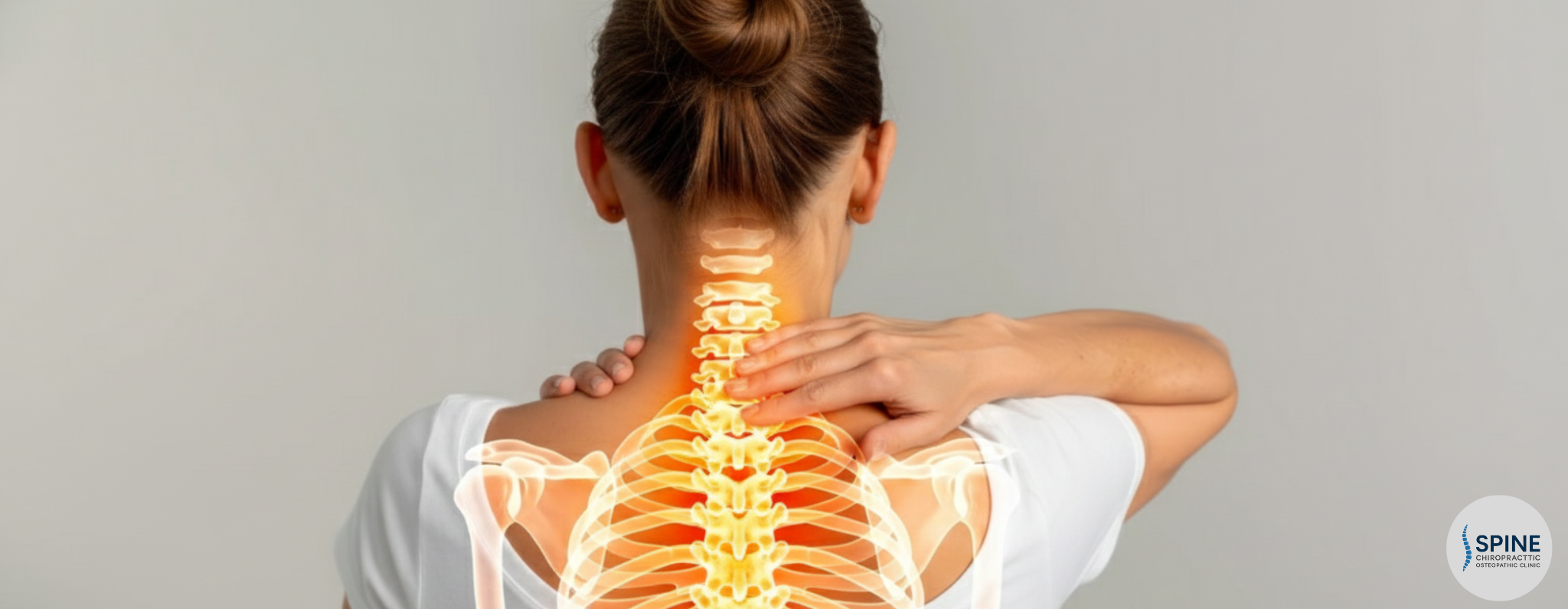
In spinal stenosis, the space inside the spinal canal narrows, putting pressure on the nerves. This can cause pain in the lower back or neck, tingling and numbness in the arms and legs, and difficulty walking. At Spine Chiropractic & Osteopathic Clinic in Ghaziabad, we provide safe and effective non-surgical treatment for spinal stenosis. Here, patients receive care through chiropractic, osteopathic, and physiotherapy techniques, focusing on pain relief, improved mobility, and restoring comfort in daily life.
Spinal stenosis is often caused by age-related changes, slipped discs, arthritis, or spinal injuries. If left untreated, lower back pain can gradually become chronic, leading to weakness in the legs and making it difficult to stand or walk for extended periods. Timely and appropriate treatment can prevent the condition from worsening and improve mobility, allowing patients to return to a normal life.
Our treatment includes chiropractic adjustments, physiotherapy, manual therapy, and posture correction to gradually relieve pressure on the nerves and restore proper spinal function. Our main goal is to improve spinal alignment, flexibility, and muscle strength, providing patients with long-lasting relief without surgery and preventing the pain from returning.
If you have been experiencing chronic back pain, leg weakness, or difficulty walking, our specialists will understand your problem and create a personalized treatment plan for you. The goal is to help you regain your mobility and live a pain-free life. this is our YouTube
The main causes of spinal stenosis are:
The main causes of spinal stenosis
As we age, the water content in the spinal discs decreases, causing them to become thinner. This narrows the spinal canal and puts pressure on the nerves, which is a common cause of spinal stenosis.
Slipped disc problem
When a spinal disc bulges or ruptures, it puts pressure on the nerves. This can cause pain, numbness, and weakness in the lower back and legs. Poor posture, lifting heavy objects, and repeated bending increase the risk.
Joint wear and extra bone growth
Arthritis in the spine causes inflammation and the formation of bone spurs. This narrows the spinal canal, puts pressure on the nerves, and results in pain and stiffness.
Problems from a spinal injury
An accident, fall, or previous surgery can damage the structure of the spine. This can lead to the formation of scar tissue or instability, which can subsequently cause symptoms of spinal stenosis.
Signs of spinal stenosis – when is it necessary to consult a doctor?
The symptoms of spinal stenosis usually begin gradually, but the problem can worsen over time. It’s important to consult a doctor for proper advice as soon as these symptoms appear.
Common symptoms seen in spinal stenosis
Persistent pain in the lower back or neck
Numbness, tingling, or weakness in the arms or legs Pain that worsens
when standing or walking and improves with sitting
Difficulty with balance or coordination problems while walking
Common symptoms of spinal stenosis
Persistent pain in the lower back or neck
Numbness, tingling, or weakness in the arms or legs
Pain that worsens when standing or walking and improves when sitting
THIS IS OUR HOMEPAGE

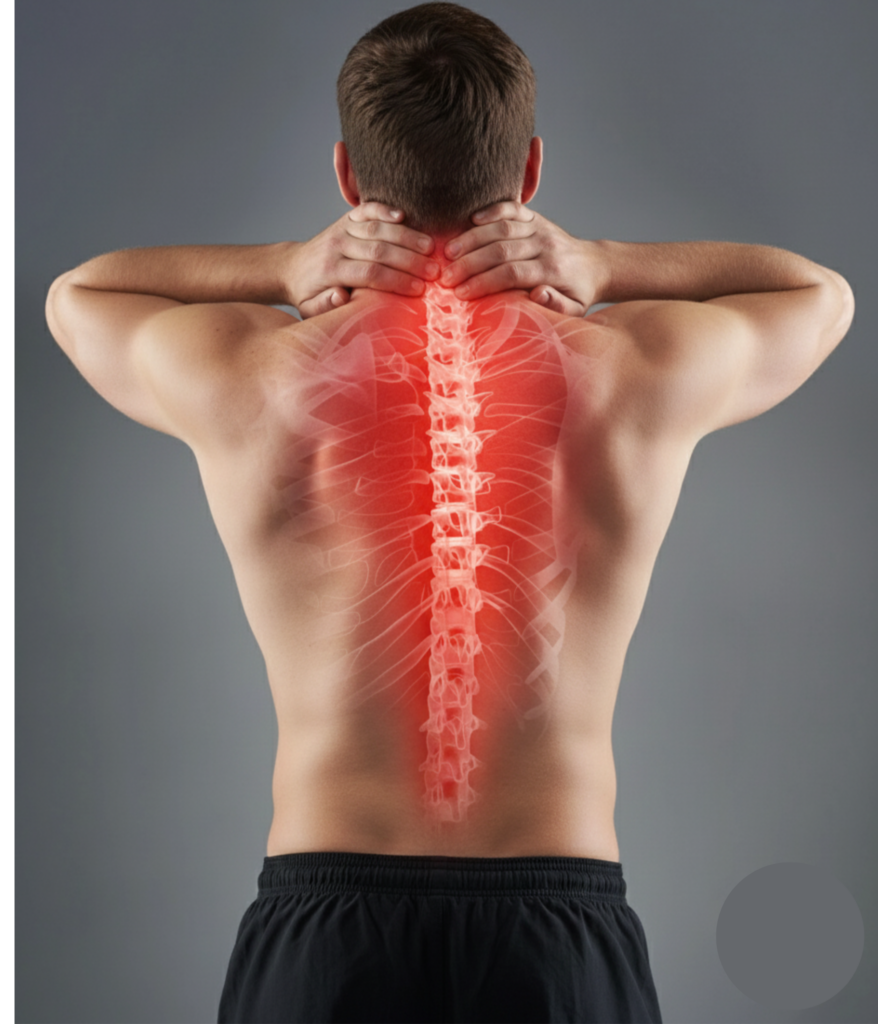
Reliable treatment for spinal stenosis – Spine Clinic
At Spine Chiropractic & Osteopathic Clinic, we utilize non-surgical treatments based on scientific methods to reduce pain, improve mobility, and enhance spinal health. Our treatments focus on relieving nerve pressure, restoring flexibility, and strengthening spinal muscles to provide patients with long-lasting relief.
Treatments used for spinal stenosis
Chiropractic adjustments – Correct misalignments in the spine to reduce pressure on the nerves.
Physiotherapy – Strengthens muscles, increases flexibility, and improves body movement.
Manual therapy – Reduces muscle stiffness and improves blood circulation.
Posture correction and ergonomic guidance – Reduces strain caused by poor posture and prevents symptoms from worsening.
Pain management techniques – Provides relief from inflammation and pain using non-medicinal methods.
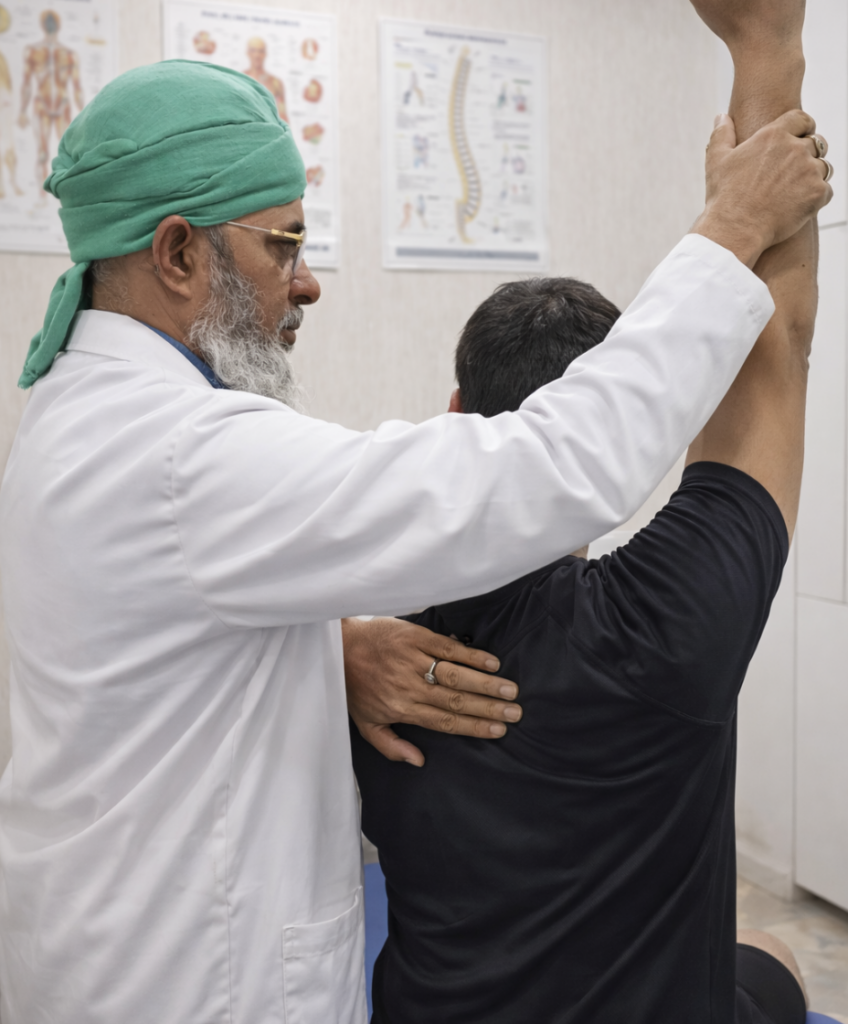
Our experts thoroughly examine your problem and create a personalized treatment plan tailored to your needs, ensuring safe and effective treatment.
Book a consultation today and take the first step towards a pain-free, active life.
How to Prevent Spinal Stenosis
Although spinal stenosis is mostly an age-related condition, its progression can be slowed and symptoms significantly reduced with proper care and lifestyle changes. The expert-recommended tips below can help maintain spinal health.
Essential tips for keeping your spine healthy.
Maintain correct posture.
Keep your spine straight and balanced while sitting, standing, and walking. Maintaining correct posture reduces unnecessary pressure on the spine and helps prevent pain from worsening.
Keep your body active regularly.
Gentle exercises such as walking, swimming, and yoga maintain flexibility in the body and help strengthen the muscles of the spine.
Strengthens Core Muscles
Strong abdominal and lower back muscles provide proper support to the spine and help reduce excessive pressure on it.
Adopt an ergonomic work setup.
Adjust the height of your chair, table, and screen to ensure proper posture and avoid unnecessary strain on your spine.
Frequently Asked Questions
What is an ergonomic workspace?
An ergonomic workspace is a setup where the chair, table, and screen are positioned to promote proper posture. This reduces strain on the spine and makes it easier to work for extended periods.
What damage can an incorrect workspace cause to the spine?
Incorrect posture can increase pain in the lower back, neck, and shoulders. Over time, this puts pressure on the nerves. This can worsen the symptoms of spinal stenosis.
What should be the correct position of the chair and screen?
The chair height should be such that your feet are flat on the floor. The screen should be at eye level. Back support is very important.
Why is it important to take breaks during work?
Sitting continuously increases pressure on the spine. Taking a short walk or stretching every 30-40 minutes is beneficial. This helps keep the muscles relaxed.
How does a correct workspace help with spinal stenosis?
The correct posture reduces extra pressure on the nerves. Pain and stiffness decrease. It also speeds up recovery along with treatment.