Best Ankylosing Spondylitis Treatment in Ghazianbad
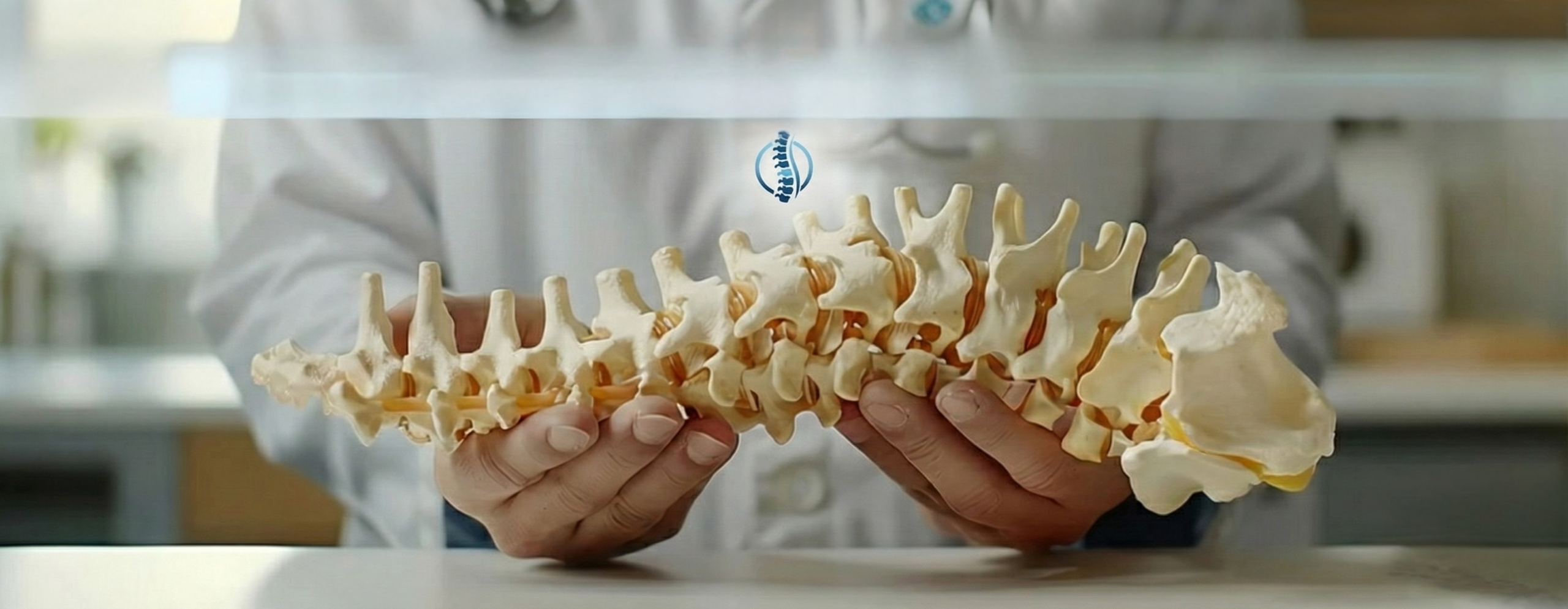
Ankylosing spondylitis (AS) is a chronic inflammatory condition that primarily affects the spine. It causes persistent, bothersome pain and stiffness in the back, lower back, and hips. Over time, flexibility decreases, and everyday movements can become difficult . If left untreated, the bones can fuse together (spinal fusion), and the body’s posture can become distorted. Walking, sitting, and standing throughout the day all become problematic, significantly impacting the quality of life.
At Spine Chiropractic Osteopathic Clinic, we treat ankylosing spondylitis with a highly specialized approach. Here, we combine chiropractic care, physiotherapy, manual therapy, and rehabilitation exercises to provide a comprehensive therapy that reduces pain, improves flexibility, and strengthens the spine naturally. Simply put, you’ll receive drug-free, targeted, and practical relief, making everyday activities like walking, bending, and lifting much easier.
Our treatment focuses on reducing inflammation, increasing spinal flexibility, strengthening muscles, and gradually correcting any postural imbalances. This slows the progression of AS and improves movement.
Instead of relying solely on painkillers, we utilize drug-free therapies that provide long-term relief. Your pain is reduced, your body regains its function, and you can once again live an active, comfortable, and more pain-free life.
If you’re experiencing persistent back pain, stubborn stiffness in the mornings, or finding it difficult to even stand straight, don’t delay. Our ankylosing spondylitis specialists in Ghaziabad will create a completely personalized treatment plan for you. Schedule an appointment today and start your journey towards a healthier spine!
visit our Home page link
Why Does Ankylosing Spondylitis Develop in the First Place?
Genetic Factors and Immune System Dysfunction
Ankylosing spondylitis is most strongly associated with the HLA-B27 gene. When this gene is active, the immune system sends incorrect signals, leading to persistent inflammation in the spine and joints. This is why stiffness, pain, and difficulty with movement gradually worsen over time.
Inflammation in the Sacroiliac (SI) Joints
The first signs of AS often appear in the sacroiliac joints—where the spine and pelvis meet. When inflammation begins here, it causes lower back pain, stiffness, and discomfort in the hips. This pain can worsen if you sit for extended periods or remain inactive.
Spinal Stiffness and Progressive Fusion
As AS progresses, the chronic inflammation in the body begins to affect the bones. Gradually, new bone formation occurs, and the spine essentially fuses together in certain areas. This leads to a stiff posture, reduced flexibility, and makes even simple daily tasks—such as bending, standing up, and walking—difficult..
Weakening of the Joints and Surrounding Muscles
Ankylosing spondylitis (AS) doesn’t just affect the spine; it also weakens joints like the hips, shoulders, and knees. This causes pain, increases stiffness, and gradually weakens the muscles. As a result, posture deteriorates, maintaining balance becomes difficult, and every movement becomes a struggle.
When It’s Time to Start Ankylosing Spondylitis Treatment
I always have pain in my lower back and hips.
If you experience daily pain and stiffness in your lower back, hips, or pelvis—especially upon waking up in the morning or after sitting for extended periods—this could be a sign of AS (ankylosing spondylitis). A characteristic feature of this pain is that it tends to improve with movement but worsens with prolonged rest.
Morning Stiffness and Limited Spinal Mobility
If there is excessive stiffness in the spine, bending, twisting, or even standing straight becomes difficult—this is a very common sign of AS (Ankylosing Spondylitis). And if it is not treated in time, the spine can gradually become rigid and the posture can be permanently affecte
Postural Changes & Spinal Curvature
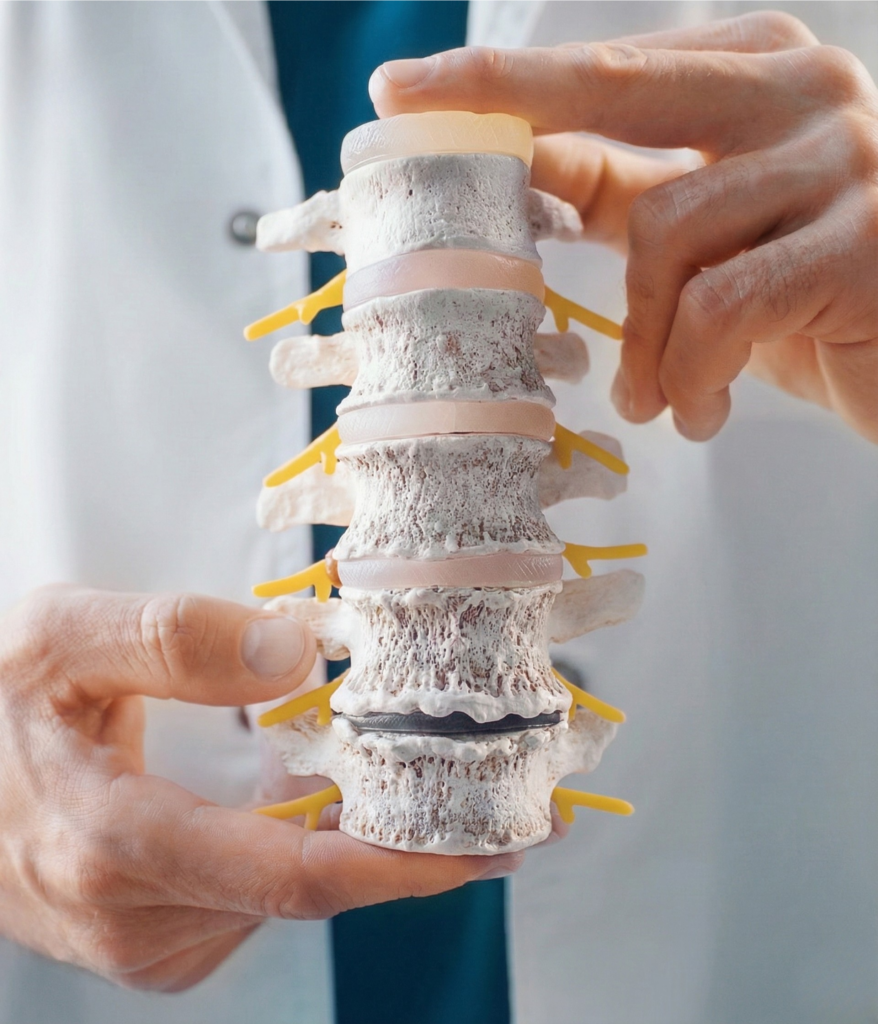
Due to AS, the upper back begins to hunch forward (kyphosis), resulting in a stooped posture while walking and making it difficult to look straight ahead. Starting treatment early is crucial to prevent significant spinal deformities.
Pain Spreading to the Shoulders & Ribcage
As AS progresses, inflammation can spread to the shoulders, rib joints, and neck. This can cause difficulty breathing, chest tightness, and discomfort during deep breaths.
Visit our YouTube

Non-Surgical Solutions for Ankylosing Spondylitis Relief
Physiotherapy & Postural Correction
Physiotherapy is very helpful in managing AS—it increases spinal flexibility, strengthens core muscles, and corrects posture. Targeted exercises reduce stiffness, pain, and stress on the joints, gradually improving movement, balance, and spinal condition, and slowing the progression of AS.
Chiropractic Care & Spinal Mobilization
Gentle chiropractic adjustments and spinal mobilization help joints move smoothly again, reduce tension, and relieve pressure on affected areas. These techniques improve posture, reduce nerve compression, and enhance spinal function, helping to control AS symptoms.
Manual Therapy & Myofascial Release
Soft-tissue techniques such as deep tissue massage, myofascial release, and trigger point therapy relax muscle tightness, improve blood flow, and reduce pain associated with AS. These therapies increase flexibility, reduce inflammation, and help prevent stiffness, contributing to long-term spinal health.
Visit our Google Map.
Strengthening & Preventing Future Spinal Issues
Being proactive is crucial for managing ankylosing spondylitis. Regular movement, postural correction, and targeted exercises maintain spinal mobility, reduce stiffness, and control inflammation in the joints. These habits also slow down the progression of AS.
Strengthening Core & Back Muscles
The stronger the core and back muscles, the better the support for the spine. This reduces the risk of poor posture and provides relief from chronic pain. Workouts like planks, bridges, and resistance exercises significantly improve spinal stability.
Enhancing Spinal Flexibility
Stiff joints and tight muscles restrict spinal movement. Stretching, yoga, and mobility exercises increase flexibility, improve posture, and reduce morning stiffness, making the body feel more free and relaxed.

Correcting Posture & Ergonomic Adjustments
Maintaining correct posture and using ergonomic furniture reduces unnecessary strain on the spine. This reduces stiffness and makes daily activities more comfortable. Additionally, gait correction and movement retraining play an important role in preventing future complications.
visit our Facebook
Frequently Asked Questions
What are the symptoms of ankylosing spondylitis?
Ankylosing spondylitis is characterized by persistent lower back pain, morning stiffness, reduced spinal mobility, and changes in posture. It can also affect other joints such as the hips, shoulders, and ribs.
When should treatment be sought for ankylosing spondylitis?
If back pain persists, is severe for more than three months, makes it difficult to stand straight, or spreads to other joints, a medical check-up should be done promptly so that it can be controlled in time.
What are the best non-surgical treatments for ankylosing spondylitis?
Physiotherapy, chiropractic treatment, manual techniques, therapies to improve spinal mobility, strength exercises, and posture correction can improve movement and control pain without surgery.
Can ankylosing spondylitis be treated without medication?
Yes, medications help reduce swelling, but physiotherapy, movement therapy, spinal adjustments, and ergonomic improvements can reduce pain and maintain mobility without medication.
How can the progression of ankylosing spondylitis be prevented?
Staying active, improving spinal flexibility, maintaining correct posture, and performing strength and mobility exercises slows the progression of AS and prevents increased stiffness.