

Heel pain makes walking, standing, and performing everyday activities difficult. Whether the pain is due to plantar fasciitis, Achilles tendon problems, heel spurs, nerve compression, or foot misalignment, if left untreated, it can gradually become chronic and more debilitating. At spine chiropractic osteopethc clinic , we provide natural and safe treatment for heel pain in Ghaziabad including chiropractic care, physiotherapy, manual therapy, and specialized exercises, to reduce pain and restore normal foot function.
Our treatment addresses the root cause of foot pain—reducing inflammation, improving foot mechanics, and strengthening supporting muscles. This gradually reduces heel pain and lowers the risk of recurrence. We treat plantar fasciitis, Achilles tendon injuries, heel spurs, nerve-related pain, and postural problems using advanced and proven techniques. Instead of relying solely on painkillers, our drug-free therapy activates the body’s natural healing process and provides long-lasting relief.
If you are experiencing persistent heel pain, stiffness, or difficulty walking, consult our heel pain specialists in Ghaziabad to begin treatment tailored to your condition. Take the first step today so you can walk comfortably and pain-free again.
visit our Google map
Understanding the Causes of Heel Pain
Heel Pain from Plantar Fasciitis and Spurs
Plantar fasciitis occurs when excessive pressure on the plantar fascia, the tissue that supports the arch of the foot, causes inflammation. In reaction to this stress, a small, hard growth (heel spur) can form on the heel bone, causing sharp, stabbing pain—especially when getting up in the morning or after standing for long periods.
Heel Pain from Achilles Tendonitis and Bursitis
Achilles tendinitis involves inflammation of the Achilles tendon near the heel, causing stiffness, swelling, and pain when walking. Heel bursitis occurs when the fluid-filled bursa near the heel becomes irritated, resulting in pain when the heel is touched and making walking difficult.
Structural Foot Imbalance & Flat Feet
Flat feet or improper foot mechanics can place excessive pressure on the heel and arch, leading to persistent pain and discomfort. When the foot’s alignment is compromised, the stress and inflammation on the heel can gradually develop into a chronic problem.
Compressed Nerves Affecting the Heel
In nerve-related problems like tarsal tunnel syndrome, a nerve inside the foot gets compressed, which can cause burning, tingling, or radiating pain from the heel to the toes. This nerve pain often worsens with movement, so it requires targeted and specialized treatment.
When to Seek Treatment for Heel Pain
Long-lasting heel discomfort
If heel pain persists for more than two weeks and worsens when standing or walking, it could be a sign of a more serious problem—such as plantar fasciitis, heel spur, or tendon inflammation.
Reduced Mobility and Walking Discomfort
Waking up with stiffness in the foot, increased pain after sitting for a while, or difficulty putting full weight on the foot can be a sign of plantar fasciitis, Achilles tendon problems, or joint stiffness, which requires timely treatment.
Intense or Burning Heel Pain
Sharp, stabbing pain under the heel, a burning sensation, or pain that radiates to the arch or ankle often signals nerve compression, foot alignment problems, or inflammation, which requires a professional check-up and appropriate treatment.
Heel Swelling or Pain on Touch
If you experience swelling, redness, or pain when touching your heel, it could be due to bursitis, tendon irritation, or excessive pressure on the heel bone. Ignoring these symptoms can cause the problem to gradually become more serious.
visit our Facebook

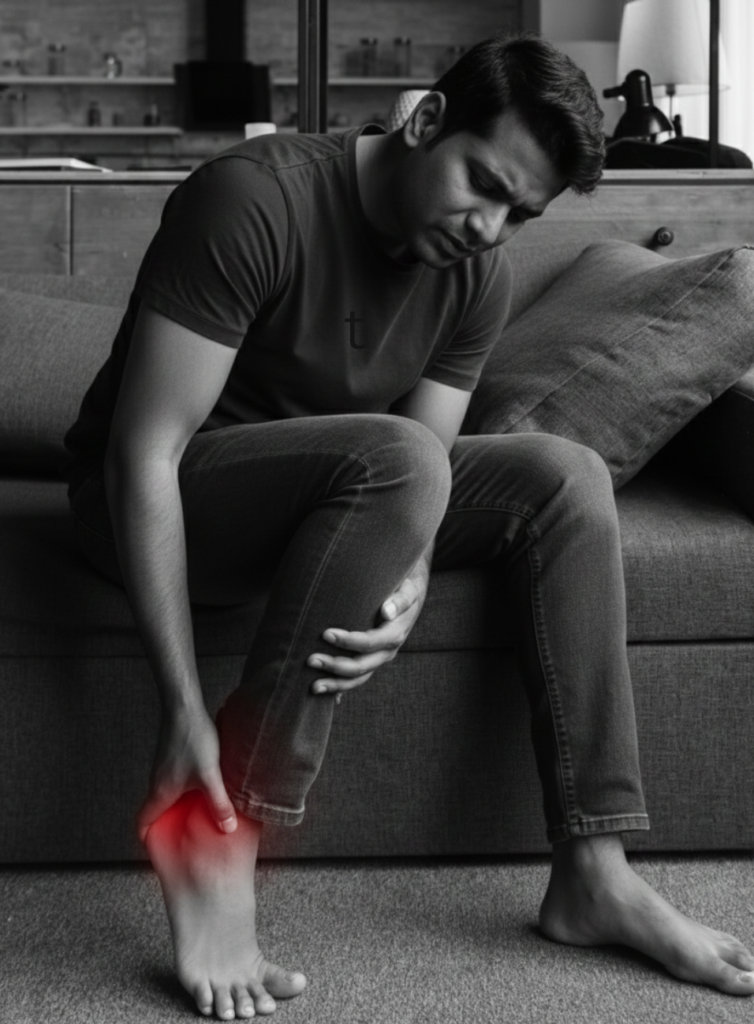
Heel Pain Relief Without Surgery
Rehabilitation & Foot Muscle Strengthening
Physiotherapy reduces swelling through targeted exercises, improves foot alignment, and strengthens supporting muscles, foot movement and alignment are improved, and the supporting muscles are strengthened. This increases stability and flexibility in conditions like plantar fasciitis, Achilles tendon problems, and flat feet, making walking easier and reducing the risk of future injuries or pain.
Restoring Foot Alignment Through Chiropractic Care
Chiropractic treatment corrects the alignment of the feet and ankles, reducing excess pressure on the heels and improving weight balance. By correcting postural and movement imbalances, it provides relief from plantar fasciitis, Achilles tendon pain, and gait-related problems, leading to long-term pain control and restoration of natural movement.
Manual Soft Tissue Therapy and Myofascial Release
Hands-on treatments such as deep tissue massage, trigger point therapy, and myofascial release relax tight muscles, improve blood flow, and reduce inflammation. These techniques alleviate chronic heel pain, increase flexibility, gradually release constricted tissues, and promote faster healing. Therefore, they are quite effective for plantar fasciitis, bursitis, and heel problems caused by overuse.
visit our home page
Building Strength to Avoid Heel Pain
Keeping the leg muscles strong and properly aligned is crucial to prevent heel pain from recurring. When muscles are weak, posture is incorrect, or walking patterns are faulty, extra pressure is placed on the heel, and the problem can become chronic. Regular strengthening exercises, mobility training, and gait correction can help prevent future episodes of heel pain.
Improving Foot Muscle Strength
Strengthening the foot arch, calf muscles, and ankle provides better support to the foot and reduces stress on the heel. Simple exercises like toe curls, resistance band exercises, and calf raises strengthen the structures of the heel and foot, preventing pain and strain.
Improving Heel Flexibility
When calf muscles become too tight and ankle movement is reduced, heel pain can worsen. Regular stretching, yoga, and mobility exercises improve foot flexibility, reduce stiffness, and help prevent inflammation
Foot Posture Correction & Gait Training
Poor posture and walking habits put extra pressure on the heels and foot arches. Posture training, gait correction, and proper footwear adjustments help maintain correct foot alignment and balance, reducing the risk of heel pain.
visit our YouTube

Frequently Asked Questions
Which conditions commonly cause heel pain?
Heel pain is often caused by plantar fasciitis, heel spurs, Achilles tendon problems, bursitis, nerve compression, or improper foot alignment. Repetitive stress, wearing inappropriate footwear, and muscle imbalances can also contribute to this pain.
When is the right time to consult a heel pain specialist?
If heel pain persists for more than two weeks, worsens with walking, or causes stiffness and swelling, it is important to consult a heel pain specialist in Ghaziabad for proper diagnosis and treatment.
What are the best non-surgical treatments for heel pain?
Drug-free methods such as physiotherapy, chiropractic treatment, manual therapy, foot exercises, and posture correction help reduce heel pain and keep the feet healthy in the long term.
Can heel pain be treated without medication?
Yes, specific exercises, joint movement therapy, soft tissue treatment, and correcting foot alignment can effectively reduce pain and swelling without medication.
How can I prevent heel pain from returning?
To prevent heel pain, keep your foot muscles strong, wear supportive shoes, improve flexibility, maintain good posture, and avoid standing for long periods or engaging in high-impact activities without proper preparation.