Best Frozen Shoulder Treatment in Ghaziabad
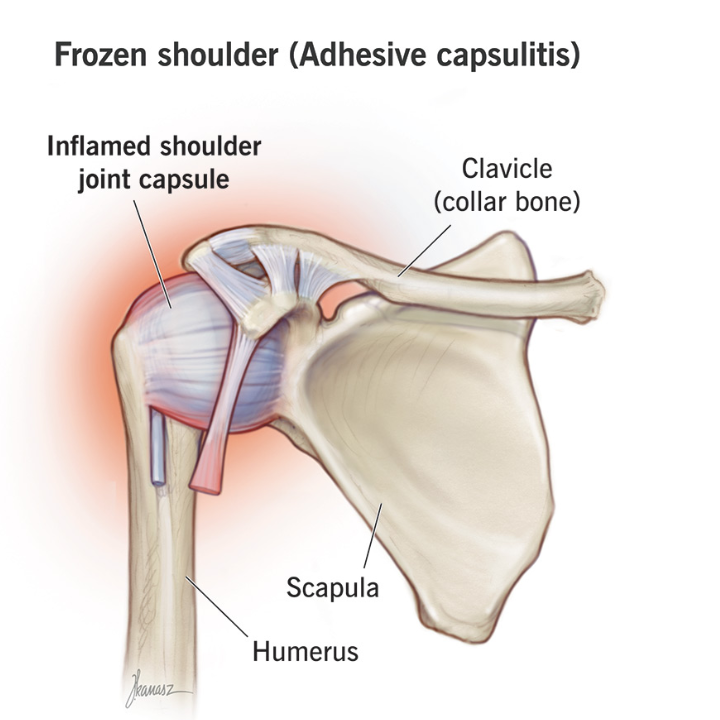
Frozen shoulder, also known as adhesive capsulitis, is a condition that causes pain, stiffness, and limited movement in the shoulder. It progresses gradually, making even simple everyday tasks—like raising your arm, getting dressed, or lifting objects—difficult. At Spine Chiropractic Osteopathic Clinic, we specialize in non-surgical frozen shoulder treatment in Ghaziabad. Our advanced techniques help reduce pain,
Frozen shoulder is usually caused by inflammation in the shoulder, prolonged underuse of the arm, an injury, or conditions like diabetes and arthritis. If left untreated, the condition worsens, leading to persistent pain and significantly reduced arm movement. Early treatment and prompt recovery are essential for preventing further complications. loosen stiffness, and restore movement.
Our treatment includes chiropractic adjustments, physiotherapy, manual therapy, and mobility exercises. These methods improve shoulder flexibility, reduce stiffness, and strengthen surrounding muscles. We also help prevent recurrence by advising on posture correction and small lifestyle changes.
If you’re experiencing shoulder stiffness, pain, or impaired arm movement, our specialists create a personalized treatment plan for you. The goal is to restore full shoulder movement and lead a pain-free life.
visit our Home page
Common causes of frozen shoulder
Do not use your hands for long periods of time
The shoulder becomes stiff due to injury, surgery, or prolonged inactivity. The stiffness gradually increases and arm movement becomes limited.
injury or blow to the shoulder
Previous fractures, dislocations, or rotator cuff injuries to the shoulder can cause inflammation, which increases pain and causes the shoulder to gradually become stiff.
Diabetes and other health problems
Problems like diabetes, thyroid, heart and Parkinson’s increase swelling and poor blood flow in the shoulder, which increases the risk of frozen shoulder.
Aging & Degeneration
Frozen shoulder is most common in people over 40, especially women. Stiffness and reduced movement in the joints become common with age.
Symptoms and Diagnosis of Frozen Shoulder
Frozen shoulder symptoms progress in three stages—freezing, frozen, and thawing. Early treatment can prevent worsening pain and prolonged stiffness.
Main symptoms of frozen shoulder
Gradually increasing stiffness along with shoulder pain
Difficulty with overhead lifting, shoulder rotation, and back-reach movements
Shoulder pain at night and pain with movement
Weakness in the arm with limited mobility
Significant symptoms that require immediate
evaluation
Long-term shoulder pain that shows no signs of improvement
The stiffness is so severe that normal activities become difficult.
Discomfort spreading from the shoulder to surrounding areas
Decreased muscle strength and a noticeable weakness in the affected arm
visit our YouTube


Frozen Shoulder Treatment at Spine Chiropractic Osteopathic Clinic
At Spine, we offer evidence-based, non-surgical frozen shoulder treatment to reduce pain, restore flexibility, and improve mobility.
Our experts use a variety of approaches to address the underlying cause and prevent recurrence.
Our Advanced Frozen Shoulder Treatment Techniques
Chiropractic adjustment – helps correct shoulder alignment and relieve nerve pressure.
Physiotherapy and manual therapy – Reduces joint stiffness, improves blood circulation and improves movement.
Stretching and mobility exercises – Increases shoulder flexibility and muscle strength
Posture correction and ergonomic advice – prevents poor movement patterns that lead to stiffness.
Pain management techniques – Drug-free methods like cold therapy, heat therapy and ultrasound therapy for relief.
Our specialists create personalized treatment plans to ensure a safe and effective recovery.
• Book a consultation today to begin your journey toward a pain-free and fully mobile shoulder.
visit our Google Map.
Preventing Frozen Shoulder: What You Should Do
Preventing frozen shoulder is easier than treating it. By staying active, maintaining good posture, and engaging in regular movement, you can reduce your risk of developing this condition.
Tips to maintain shoulder health and flexibility
Maintain regular activity
Do gentle shoulder stretches daily to prevent stiffness.
Practice Proper Posture
Keep your shoulders relaxed and aligned while sitting or standing.
Improve Shoulder Muscle Strength
Engage in low-impact exercises to support joint health.
Keep yourself moving regularly
If you are recovering from an injury, slowly resume movement under the guidance of an expert.
visit our Facebook

Frequently Asked Questions
What are the common reasons behind frozen shoulder?
Frozen shoulder is often caused by prolonged disuse of the shoulder, injury, diabetes, arthritis, or inflammation of the joint capsule, leading to pain and stiffness in the shoulder.
Which treatment option works best for frozen shoulder?
For frozen shoulder, non-surgical methods such as chiropractic treatment, physiotherapy, stretching exercises, and posture correction are quite effective and reduce pain and stiffness.
Is it possible to treat frozen shoulder without surgery?
Yes, most cases of frozen shoulder can be treated without surgery using manual therapy, movement exercises, and pain management techniques. Surgery is only considered when the problem is severe and persists for a long time.
How much time does it usually take to recover from a frozen shoulder?
If frozen shoulder is left untreated, it can take 1 to 3 years to heal. However, if physiotherapy and chiropractic care are started early, the recovery time is significantly reduced
How can I stop frozen shoulder from recurring in the future?
To prevent frozen shoulder from recurring, keep your shoulder moving actively, strengthen your muscles, maintain good posture, and avoid keeping your shoulder completely still for extended periods.